Mastering Google Scraping: Advanced Techniques to Bypass Blocks and Achieve Success
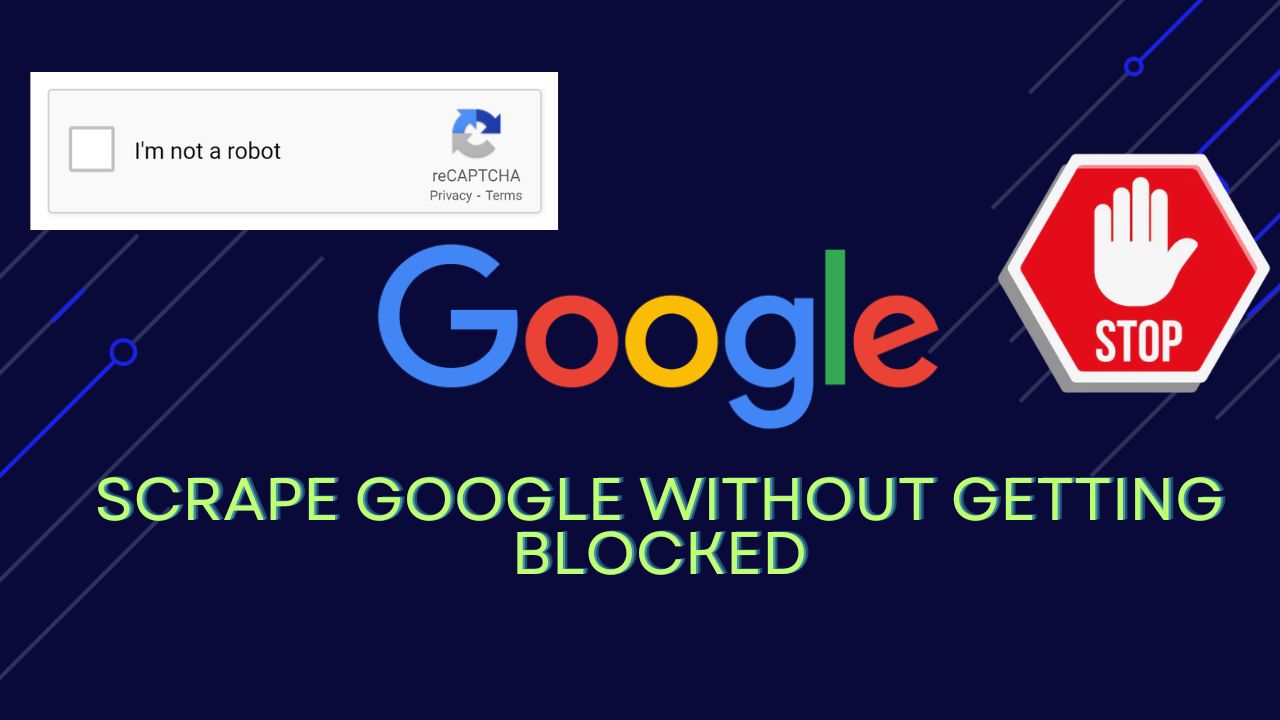
This article explores advanced strategies for effectively scraping Google search results without getting blocked. It covers essential techniques such as using proxies for IP rotation, rotating user agents, implementing request throttling, and adapting to dynamic content changes.
Web scraping has grown to be one of the tools businesses and developers need to extract quality information from websites. As the world's leading search engine, Google is the main target for such endeavors.
However, scraping Google involves a different dimension of conventional challenges since its sophisticated mechanisms against scrapes make the job really hard.
This article looks into some advanced techniques and approaches to scrape Google, keep yourself from blocks, and ensure successful data extraction.
Scraping Google: Understanding the Headaches
Scraping Google is not quite as easy due to a number of obstacles. They are;
- HCAPTCHAs: It's a way for Google to distinguish people from machines. As it turns out, it's a quite strong barrier against scrapers.
- IP Blocking: High-frequency requests from one IP can bring about a ban, whether temporary or permanent.
- Dynamic content and frequent updates: Google's search results page structure frequently changes, which can disrupt scraping scripts.
- Legal and Ethical Issues: Web scraping often breaks Google's terms and conditions and, therefore, carries some legal risk.
How to Avoid Google Data Scraping Barriers
Below are steps that one may apply to scrape Google without being blocked:
Use proxies to rotate your IP
- Using a pool of proxies in distributing requests across more than one IP address simulates requests from different users, which reduces or even eliminates the chances of getting blocked.
- It is less likely for residential proxies to get flagged and blocked, as they give out the appearance of real users, not data centers. You can count on FlashProxy for your proxy service needs.
Rotating User Agents
- User Agent Spoofing: Seamlessly switch between user agents to replicate requests from a broad array of browsers and devices, all without raising suspicion with Google's anti-scraping systems.
- Realistic User-Agents: Use user-agents that pretend to be popular browsers so your requests are indistinguishable from normal web traffic.
Rate Limiting and Request Timing Randomness
- Throttling: This will introduce delays between requests to simulate human browsing. This can be done by setting random intervals between requests.
- Rate Limit: Do not send more than a number of requests per minute to avoid Google's rate-limiting mechanisms.
Overcome CAPTCHAs
- CAPTCHA Solvers: Integrate automated CAPTCHA-solving services to handle challenges when they appear.
Adapt to Dynamic Content Changes
- Dynamic Scraping Scripts: Keep your scraping scripts dynamic for any changes Google makes in its HTML structure. That way, every incremental change done regularly will keep it working for your scrapers.
- Robust Parsing Libraries: Use libraries like BeautifulSoup and Scrapy to effectively handle dynamic content and extract the necessary data.
Ethics and the Law
Although scraping can provide great insight, awareness of the legal and ethical bounds is essential.
Check the terms and conditions of Google: Always check Google's terms of service before scraping to ensure compliance and avoid potential legal issues.
Public APIs: Wherever possible, it is best to get information using official Google APIs because it can be done entirely legally; more importantly, this is the surest way to get to the information.
Conclusion
Scraping Google search results requires a sophisticated approach to avoid detection and blocks. Keep yourself updated with changes in the HTML, use proxies, user-agent rotation, and request throttling.
Nevertheless, always consider the legal and ethical implications to ensure responsible scraping practices. With the right strategies, you can unlock the potential of Google's vast data resources and gain valuable insights for your business or project.