Quick and Easy Proxy Test: Is Your Proxy Working?
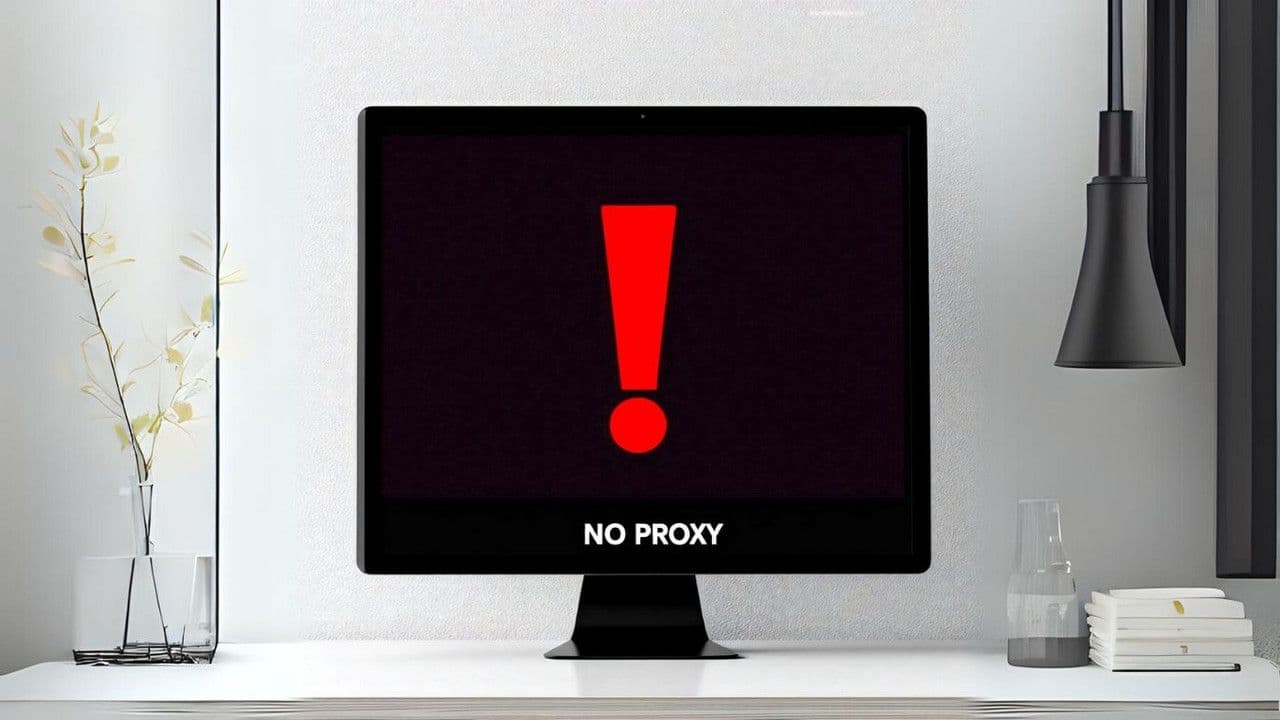
Proxy checks are not just recommended; they are essential for safeguarding personal information and gaining entry to content that is restricted within particular regions
Key takeaways
- Testing your proxy confirms it works, keeps you anonymous, and lets you reach region-restricted content safely.
- An online IP checker like ipinfo.io or whatismyip.com is the quickest way to see if your IP has changed.
- IP checkers confirm basic function but do not reveal proxy details or whether it works on specific sites.
- IP databases such as IP2Location or AbuseIPDB show an IP's origin, abuse history, and blacklist status.
- Checking proxies regularly helps you judge whether a proxy provider is still reliable and safe to use.
In today's connected online world, checking if your proxy works right has become crucial to surfing the web. Running a proxy test doesn't just confirm that your proxy functions well; it also makes sure you stay anonymous and can see content from other countries without putting your personal data at risk.
This article shows you how to test your proxy with easy and useful methods to make sure it works right.
We start with a step-by-step guide on using an online IP checker. This tool shows if your proxy's IP address is visible. Next, we talk about how to use an IP database to test your proxy. Let’s start.
Step-by-Step Guide to Using an Online IP Checker
Online IP checkers are simple tools that show your current IP address and location. They play a key role as the first step in testing proxy servers. When you visit websites like ipinfo.io or whatismyip.com, you can see if your IP address is different from your usual one.
This change means the proxy server is working. These tools come in handy for quick checks. However, they have limits. They don't give detailed info about the proxy server or tell you if it works with specific websites.
Step-by-Step Instructions
- Link Up with Your Proxy: Make sure your device has a connection to the proxy server you want to test.
- Check Out an IP Lookup Site: Launch your web browser and head to a trustworthy IP lookup website like ipinfo.io or whatismyip.com.
- Look Over the Info Shown: After the website loads, it will show your current IP address and location.
- Double-Check the Proxy IP: See if the IP address and location on display differ from your usual ones. This difference shows that your internet connection requests are going through the proxy server.
- Check Privacy and Performance: This simple test confirms your proxy is working and gives you a layer of privacy by hiding your actual IP address.
By following these steps, people can do a basic check to see if their proxy works right. However, to get a deeper look, you might want to use advanced tools or services that give more details about how well the proxy works and how safe it is.
Using an IP Database to Test Proxies
IP databases are key to making proxy testing safer and more effective. They do this by giving you past info on IP addresses. These databases help you figure out if an IP address is from a data center or someone's home.
This is important for knowing if a proxy is legit and how risky it might be. They're good at spotting proxies that have caused trouble before or that online services have flagged. This helps stop possible security risks.
How to Use IP Databases
- Choose an IP Database: Use a reliable IP database such as the one in use byIP2Location or AbuseIPDB. These known to have lots of success and at the same time is accurate as well.
- Enter the proxy IP: Enter IP address of a proxy you are curious to know about. This can be done directly on the website of a database or possibly even with an API if they have one.
- Look at What You Get Back: The database is going to tell you what country the proxy originates from, if it's been a naughty little boy and used for DDoS attacks or spamming, and if it makes an appearance on any blacklists.
- Evaluate Proxy Anonymity: Also compare the allegedly IP location with where it was supposed to be in order if a proxy hides your real IP well. That is in order to verify that the proxy you will use can provide privacy and security.
By following these actions, one is able to gauge the reliability and safety of their existing proxy providers so that they can decide whether or not it’s still worth continuing with them.
Conclusion
To conclude, we hope our guide was enough to help you have a thorough look at different ways to check if proxies work. We have talked about the use of online IP checkers and IP databases for confirming the functionality of proxy servers as well as for keeping your self hidden.
These checks are not just recommended; they are essential for safeguarding personal information and gaining entry to content that is restricted within particular regions. This underscores why it is very necessary to check proxies frequently nowadays when electronic privacy is frequently endangered.