VPN vs. Proxy: Which is Right for Your Online Privacy Needs?
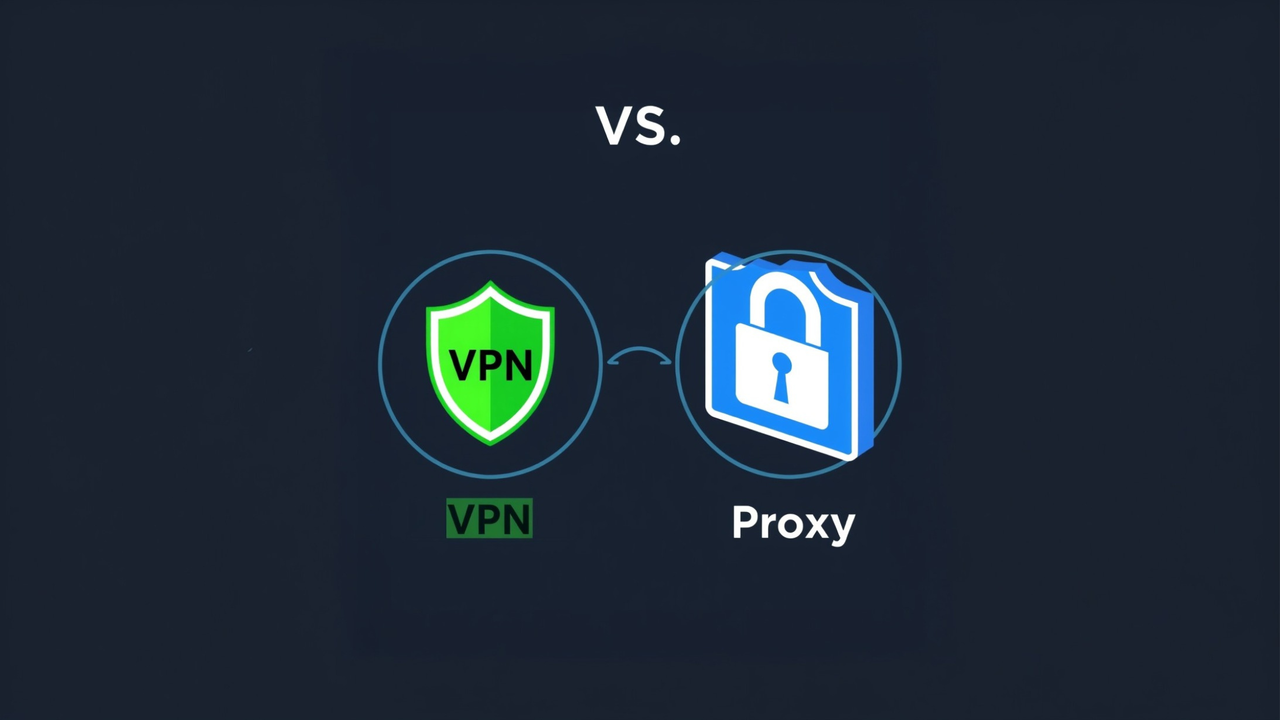
Knowing the difference between a VPN and a Proxy can ensure that you choose the right tool for your internet needs and thus utilize them according to your requirements.
We are in a digital age where everyone and everything is connected to the internet in one way or another. Hence, online privacy and security have become very important factors for many personal users as well as businesses.
To achieve these two goals, many people have long been using VPNs and proxies. Both are built to protect your identity and data while online, but they work in completely different ways and are meant for entirely separate purposes. This post will be comparing the strengths and weaknesses of VPNs to proxies.
So, which one should you use, a Proxy or a VPN? You will find your answer here.
Understanding Proxies
A proxy server is basically a mediator between your device and the internet. Requests over the internet you make, gets routed via this proxy server and then forwards it to your desired sites. This process is confusing your IP address to the target, so it seems like you are issuing requests from a proxy server instead of your own device.
Advantages of Proxies
- User-Friendly and Cost-Effective: Proxies are usually quick to install and configure. Free proxy services are also widely used, and they are great for casual users who need to bypass basic network restrictions or view geo-blocked content. However, it's not recommended as there are many backdoors present that can hamper your security and privacy.
- Speed: A proxy typically has faster internet speeds than a VPN, as it does not use encryption, which can be advantageous for activities like streaming.
Disadvantages of Proxies
- Flawed Security and Privacy: Since proxies do not encrypt your data, any hacker can intercept the information being passed if they wish to. Since native apps don't encrypt their traffic, this will expose sensitive data like login credentials.
- Poor Application-Specific Protection: Since most proxies operate solely inside the browser, other applications on your computer are unprotected.
Understanding VPNs
At its simplest level, a VPN is used to create a secure and encrypted connection between your device and the internet. A VPN server will encrypt and route your request through a server that provides security from the end-to-endpoint connection.
Advantages of VPNs
- Better Security and Privacy: In all organizations with a VPN, information that heads out over an open connection is encrypted at all points. This encryption protects against various cyber threats, including man-in-the-middle attacks and data interception on public Wi-Fi networks.
- Protection Across The Entire Network: VPNs don't just protect browser traffic; they support all kinds of internet use! By this, we mean every program gains those security features of the VPN.
- Anti-Censorship and Geo-restrictions: VPN is one of the solutions that helps in fighting against internet restrictions and can access content not available in your region. So it’s a very good way to go around geographical censorship for people who lives on limited conditions.
Disadvantages of VPNs
- High Cost: Good-quality VPN services generally have a high cost. While there are free VPNs, they often lack the performance and security features of their paid counterparts.
- Slower Speeds: Because of the encryption and passing through a VPN server, your connection speed can be slower. But if you choose a fast VPN provider and connect to one nearby, these effects can be limited.
Which is Right for You?
- Go for a proxy if: You need a quick, cost-effective solution for bypassing simple network restrictions or accessing geo-blocked content without a strong emphasis on security.
- Go for a VPN if: You require comprehensive security and privacy for all your online activities, want to protect sensitive data, or need to bypass censorship in a region with restricted internet access.
In the end, proxy and VPN both have their place in improving online privacy. So, you can make your decision based on their differences and what best suits your concerns.